Bulky waste and large-item exclusions for Pentonville moves
Posted on 03/06/2026
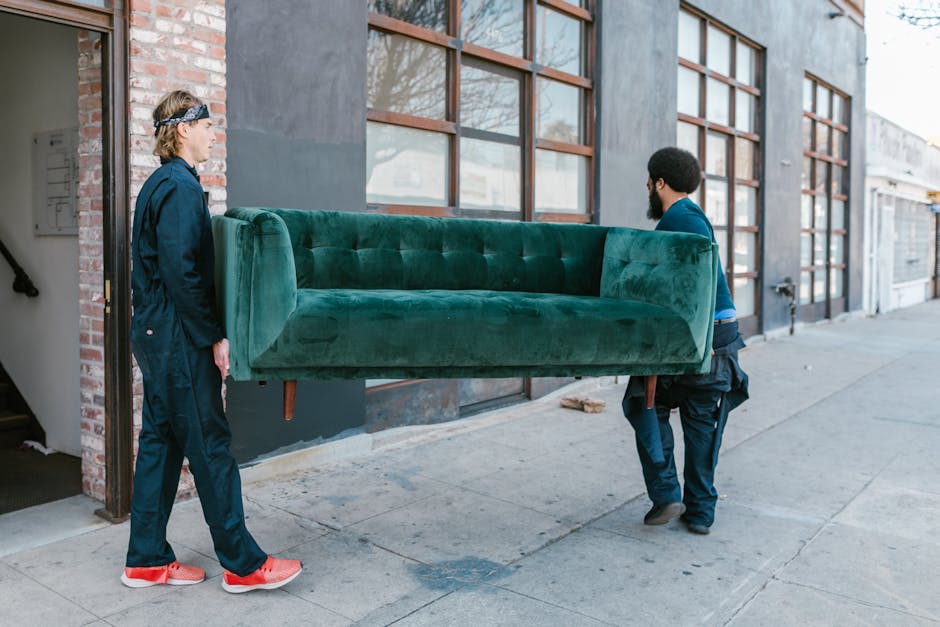
Moving in Pentonville can feel straightforward right up until the awkward stuff appears: the sofa that will not fit the stairwell, the mattress you meant to replace anyway, the old freezer humming in the corner, or that battered wardrobe nobody wants to inherit. That is where Bulky waste and large-item exclusions for Pentonville moves becomes more than a side note. It is the difference between a calm move and a last-minute scramble on the pavement with a load of oversized items and nowhere obvious for them to go.
To be fair, most people only think about boxes, dates, and van size. But exclusions matter just as much. If you know what is usually refused, what needs special handling, and what should be separated before moving day, you save time, reduce risk, and avoid the awkward "sorry, we can't take that" moment. This guide walks through the practical realities in plain English, with local Pentonville context and a few sensible ways to stay ahead of the mess.
Why Bulky waste and large-item exclusions for Pentonville moves Matters
In a compact London area like Pentonville, bulky items create more friction than their size alone suggests. Narrow staircases, tight hallways, shared entrances, limited kerb space, and the occasional awkward lift mean that one oversized piece can slow the whole move. If an item is also excluded from a standard move, you can end up with a van booked, helpers ready, and a pile of stuff still sitting in the flat. Not ideal.
The real value of understanding exclusions is not just avoiding rejection. It helps you plan the move properly. You can decide what should be moved, what should be dismantled, what should go into storage, and what should be treated as bulky waste instead. That is especially useful if you are moving out of a flat near Caledonian Road or working around shared access on a busy street, where every extra minute seems to attract more stress.
There is also a safety angle. Large furniture and heavy appliances are the sort of items that can cause injuries, scratches to walls, damaged floors, or broken fittings if they are rushed. A sensible exclusions plan protects your home and your back. Both are worth looking after, frankly.
Expert summary: The smartest Pentonville moves separate bulky waste from movable belongings early, then confirm any exclusions before moving day. That one habit prevents most of the avoidable drama.
How Bulky waste and large-item exclusions for Pentonville moves Works
At a practical level, bulky waste and large-item exclusions are the items a removal team may not move as part of a standard service, or may only move under certain conditions. The reasons vary. Some items are too heavy, too fragile, too dirty, too hazardous, or too difficult to carry safely through the building. Others are simply better treated as disposal, storage, or specialist work.
Think of it as a sorting stage. Before the van is loaded, items are usually grouped into three broad categories:
- Moveable household goods - furniture, boxes, appliances, and general contents that fit the agreed service.
- Bulky items requiring extra planning - large sofas, wardrobes, beds, white goods, or anything that needs dismantling or special handling.
- Excluded items - waste, unsafe goods, and items outside the agreed scope of the move.
That last group is the one people sometimes underestimate. A removal team is there to move belongings, not to quietly absorb every item you no longer want. If a fridge is full of food, a freezer is not defrosted, a sofa is wet, or a cupboard contains loose contents, that can stop loading very quickly. For preparation tips on awkward household items, it can also help to read the practical advice in preparing a freezer for storage and long-term sofa storage guidance.
In Pentonville, access often decides whether a large item can be moved at all. A wardrobe that would be easy in a ground-floor house can become a whole different story in a top-floor flat with narrow stairs and a tight landing. That is why it helps to think in terms of access, handling, and service scope rather than simply "big or small".
Key Benefits and Practical Advantages
Getting clear on exclusions before you move gives you several advantages, and some are more subtle than people expect.
- Fewer delays on moving day because the items have already been separated or dealt with.
- Better cost control since you are not paying for last-minute changes, wasted labour, or extra waiting time.
- Less damage risk to door frames, stair rails, flooring, lifts, and the furniture itself.
- Cleaner decision-making about what stays, what goes to storage, and what should be recycled or disposed of.
- Safer handling for everyone involved, especially with heavy or awkward loads.
There is also a mental benefit, which sounds soft but matters. Once you know the exclusions list, the move becomes smaller in your head. You stop mentally carrying the broken chair, the old futon, the mystery shelving unit from 2018, and the fridge that never quite worked properly. A move gets lighter when you stop pretending every item deserves a place on the van.
If decluttering is part of the job, it can be useful to pair it with a clear plan. The article on decluttering for a fresh start is a good companion piece, because bulky exclusions and decluttering often solve the same problem from different angles.
Who This Is For and When It Makes Sense
This topic matters to more than one type of mover. In practice, it is especially relevant if you are:
- moving out of a flat with narrow access or stairs;
- trying to manage a limited van load without making two or three trips;
- getting rid of old furniture at the same time as moving house;
- preparing a student move where budget and timing are tight;
- moving office furniture or bulky work equipment;
- sorting out one-off large items such as mattresses, wardrobes, desks, or pianos.
It also makes sense when the move is urgent. Same-day work leaves very little room for improvisation, which is why a practical briefing on large-item exclusions is so important. If that sounds familiar, the local guidance on same-day Pentonville removals for urgent flat moves is worth a look.
Sometimes the issue is not that an item is impossible to move. It is that the timing, access, or condition makes it a poor fit for the booked service. A sofa may be moveable in theory, but if it is rain-soaked, split at the base, or too wide for the stairwell, you need a different plan. Real life is a bit messy like that.
Step-by-Step Guidance
Here is a clean way to work through bulky waste and large-item exclusions before a Pentonville move. Keep it simple and do it in order; that makes the whole process less slippery.
- Walk through each room. Make a quick list of every large item, especially furniture, appliances, exercise equipment, and anything awkward to carry.
- Separate keep, move, store, and dispose. Do not leave this as a vague "sort later" decision. Later is where problems breed.
- Measure the item and the route. Check height, width, and depth, then compare them to doors, stair turns, lifts, and the van loading area.
- Check condition. If an item is broken, contaminated, damp, or unsafe, treat it as excluded until confirmed otherwise.
- Decide whether dismantling helps. Beds, wardrobes, and tables often move better in sections. If you need specific help with beds and mattresses, this bed and mattress moving guide is a useful practical reference.
- Label the bulky waste pile. This prevents it from being loaded by mistake when the day gets busy and everyone's moving faster than planned.
- Confirm exclusions in advance. Do not assume the team will take everything. Ask clearly which items are outside the service.
- Arrange the next step for excluded items. That might be storage, recycling, a separate disposal plan, or a specialist mover.
One thing that helps a lot is building the move around a packing plan, rather than starting with the van. The guide on how to create a packing plan for moving homes is useful here, because it keeps bulky items from being an afterthought.
Small aside: if you leave a heavy item until the morning of the move, it somehow becomes twice as heavy. Funny how that works.
Expert Tips for Better Results
In our experience, the smoothest moves come from a few boring but effective habits. Not glamorous. Very effective.
- Photograph bulky items before moving day, especially if they are fragile or already marked. It helps everyone stay on the same page.
- Take legs, shelves, and loose parts off early so you are not hunting for screws while the van is waiting outside.
- Protect stairways and door frames in advance if you know a large piece is going through.
- Keep a narrow path clear from the item to the exit. Shoes, lamps, and random bins have a bad habit of appearing at the wrong time.
- Use storage for the grey area items - the things you are not ready to discard, but do not want in the new place immediately.
For awkward or heavy lifting, do not rely on guesswork. A number of the issues we see start with someone trying to muscle a large item down a staircase with one mate, one glove, and a lot of optimism. The practical advice on heavy lifting techniques and kinetic lifting methods can help you understand why controlled movement matters so much.
And if you are moving through a tricky building layout, especially around upper floors or older conversions, it is worth reading staircase moving solutions for Caledonian Road flats and lift and access strategies near King's Cross N1C. The access lessons transfer well to Pentonville.
Common Mistakes to Avoid
The same errors keep turning up, and they are usually avoidable.
- Assuming every large item counts as standard luggage. A bulky wardrobe is not the same as a couple of suitcases.
- Leaving exclusions undecided until move day. That is how piles form in hallways and tempers rise.
- Forgetting to empty appliances. Fridges and freezers need proper preparation, not a quick wipe and hope.
- Not checking stair width or lift limits. Measure first, then measure again if you are unsure.
- Mixing waste with belongings. Once that happens, sorting on the pavement is nobody's favourite job.
- Trying to move damaged or unsafe furniture without asking questions. A broken bed frame can be unpredictable, and not in a fun way.
Cleaning is another place where people underestimate the amount of friction involved. If bulky items are leaving and the property needs to be handed back clean, it helps to plan the sequence properly. The piece on pre-move house cleaning essentials fits neatly alongside exclusions planning.
One more thing: avoid vague instructions like "take the big stuff." That phrase causes confusion. Be specific. Name the item. Say whether it is staying, going, or being stored. Simple, yes. But it saves a headache.
Tools, Resources and Recommendations
You do not need a van full of gadgets to handle bulky item planning well, but a few tools make life easier:
- Measuring tape for doors, stairs, furniture, and lift access.
- Phone camera to document item condition and access points.
- Marker pens and labels to separate move, store, recycle, and dispose piles.
- Basic tools for dismantling beds, tables, and shelving.
- Blankets or covers to protect items that are still moving with the rest of the load.
- Boxes for screws and fittings so you are not searching the kitchen drawer later.
For people who want a calmer move from start to finish, the advice in stress-free moving strategies is a good companion read. It sounds broad, but the planning mindset is exactly what bulky-item exclusions need.
If you are not sure whether to move or store a large item, storage is often the middle path. That can be especially useful for items with sentimental value or uncertain future use. A decent rule of thumb: if you are saying "we might need this later" more than twice, storage deserves a serious look.
For local service planning, the most relevant supporting pages are usually services overview, removals in Pentonville, furniture removals, storage in Pentonville, and pricing and quotes. However, if an item is outside standard scope, it is best to confirm that directly before moving day rather than assuming.
Law, Compliance, Standards, or Best Practice
With bulky waste and large-item exclusions, the safest approach is to follow sensible UK moving best practice rather than rely on assumptions. That means keeping waste separate from removals, handling items safely, and being clear about what the moving team has agreed to take.
Some items may raise extra concerns because of condition, weight, cleanliness, or potential hazards. In those cases, the responsible step is usually to arrange separate disposal, specialist handling, or a different service altogether. You do not want anyone lifting something unsafe just because it was in the room.
Good compliance also means being honest about the contents of appliances and the state of furniture. A freezer full of food, a sofa with hidden contamination, or a damaged wardrobe with exposed fixings should be declared early. That is not overcautious. It is just proper practice.
If sustainability matters to you, there is also a strong case for separating reusable items from waste so they are not thrown into the same path by accident. The site's recycling and sustainability page is relevant in that sense, because bulky-item decisions often affect whether something gets reused, recycled, or discarded.
And yes, the fine print matters too. Terms, insurance, health and safety, and general service boundaries all shape what can be moved. If you want to understand the broader framework, the pages on terms and conditions, health and safety policy, and insurance and safety are useful references. No drama, just good housekeeping.
Options, Methods, or Comparison Table
When a bulky item does not fit neatly into a standard move, you usually have four practical options. The best one depends on condition, timing, access, and whether the item has any real value left.
| Option | Best for | Pros | Watch out for |
|---|---|---|---|
| Move it with the main load | Clean, movable furniture and appliances that fit access routes | Simple, fast, often cheapest | May need dismantling or extra care |
| Store it temporarily | Items you want to keep but do not need immediately | Buys time, reduces pressure on moving day | Requires extra planning and storage cost |
| Dispose of it as bulky waste | Broken, unwanted, or impractical items | Clears space quickly | Needs proper separation and preparation |
| Use a specialist mover or handling method | Very heavy, valuable, or awkward items | Better suited to difficult jobs | May require more notice and a higher fee |
For example, a family sofa that will fit through the front room but not the stair turn may still be worth moving if it can be dismantled. A cracked wardrobe with missing back panels, on the other hand, may be better treated as bulky waste. Same size, very different decision. That is the kind of judgement call people often need help with.
Furniture-specific planning can also be helpful, so if you are moving more than one large piece, the local furniture removals Pentonville page is a sensible place to understand the service angle.
Case Study or Real-World Example
A typical Pentonville move might look like this: a tenant is leaving a second-floor flat with a narrow staircase, one lift that is not especially reliable, and a collection of bulky items gathered over a few years. There is a bed frame, a mattress, a small desk, an old freezer, and a sofa that was meant to be replaced "at some point". That phrase, by the way, has caused more moving stress than almost anything else.
In this situation, the first useful step is not to begin loading. It is to separate the move into categories. The bed frame and mattress may be moved if prepared correctly. The desk may be fine once the legs are removed. The freezer may need defrosting and a decision on whether it is being moved or discarded. The sofa may be the tricky one: too large for the stairs unless dismantled, or maybe only worth moving if it is still in good condition.
The move becomes much easier once the exclusions are identified early. The tenant can arrange a separate route for the freezer, decide whether the sofa should go into storage, and leave the moving team with a much cleaner load list. The day itself is calmer. Less back-and-forth. Less standing in doorways. Less "we'll just see if it fits", which, let's be honest, is not a real plan.
This is also where the local context matters. A move near King's Cross or along narrower residential streets can make access timing important, and a small delay with a large item can affect the whole job. If the route or building is awkward, planning around access can be just as important as the item itself.
Practical Checklist
Use this checklist a day or two before the move. It is plain, but it works.
- List every bulky item in the property.
- Mark each item as move, store, recycle, or dispose.
- Measure item dimensions and the access route.
- Check whether stairs, lifts, doors, or corners create an issue.
- Defrost and empty any freezer or fridge being moved.
- Dismantle furniture where practical.
- Keep screws, bolts, and fittings in labelled bags.
- Clear hallways and loading paths.
- Confirm any exclusions before the moving team arrives.
- Set aside bulky waste separately from items that are being transported.
- Check whether storage is the better short-term option for borderline items.
- Do a final walk-through so nothing gets left behind by mistake.
If you are a student or working to a tight timetable, especially in smaller flats, it can help to read about student removals in Pentonville and man with a van in Pentonville before you finalise the plan.
Get a free quote today and see how much you can save.
Conclusion
Bulky waste and large-item exclusions are not a side issue in Pentonville moves. They sit right in the middle of the practical job. Once you know what is excluded, what needs special handling, and what should be stored or discarded, the whole move becomes more controlled. You will notice the difference almost immediately: fewer surprises, better timing, and less clutter hanging over the day.
That is really the point. A good move is not just about getting things from A to B. It is about making sensible decisions before the van turns up. If you handle the oversized items early, the rest tends to behave itself. Not always. But enough to matter.
And if the process still feels a bit tangled, that is normal. One room at a time, one item at a time. You do not need to solve the whole flat in a single go. Just the next sensible step.