Moving near King's Cross N1C: access and lift strategies
Posted on 26/05/2026
If you are moving near King's Cross N1C, the building itself can matter just as much as the address. A third-floor flat with a small lift, a basement storage room, a loading bay that disappears at lunchtime, or a narrow shared hallway can turn a simple move into a slow, sweaty puzzle. That is exactly why Moving near King's Cross N1C: access and lift strategies deserve proper planning before a single box is lifted.
In this guide, you will find a practical, local-minded approach to access checks, lift use, building coordination, and the small details that save time on moving day. We will cover what to ask, what to measure, what to book, and what to avoid. To be fair, a lot of move-day stress comes down to access, not the volume of belongings. Sort that part out early and the rest gets easier.
For related preparation, it can help to read this packing plan guide for moving homes and practical decluttering advice so you are not trying to solve logistics and sorting at the same time. That combination, frankly, is where many moves start to wobble.
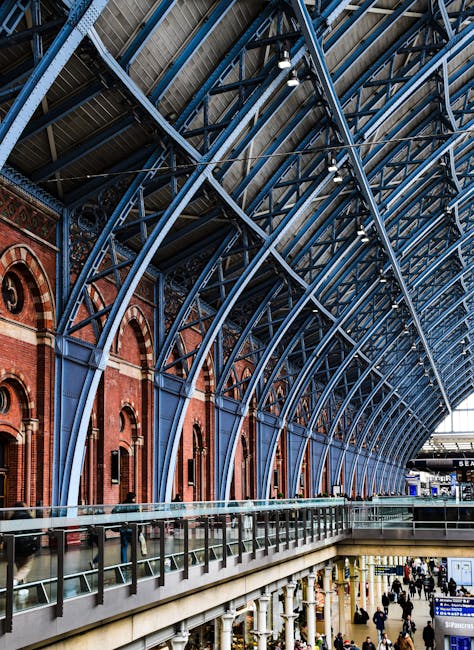
Why Moving near King's Cross N1C: access and lift strategies Matters
King's Cross N1C is a busy, tightly packed part of London, and that has a very real effect on moving day. Streets can be narrow, parking can be limited, pedestrian flow can be constant, and many residential buildings are designed with controlled entry, communal lifts, or strict access rules. If you do not plan for those conditions, even a well-organised move can stall at the front door.
Access strategy is not just about convenience. It affects:
- how long the move takes
- how many people you need on site
- whether larger furniture can be taken through lifts or stairs safely
- how close a vehicle can get to the entrance
- whether you need permits, booking slots, or concierge approval
In apartment-led areas around King's Cross, the lift can either be your best friend or your biggest bottleneck. A lift that is technically available but too small for a wardrobe is not much use. Likewise, a service lift may be reserved for contractors, or it may need protective padding and a booking window. These details sound minor until everyone is standing in the lobby at 8:15am waiting for access. Not ideal.
Good access planning also protects the building and your own belongings. Narrow corridors, sharp turns, polished floors, and shared entrances increase the chance of knocks and scrapes. If you are moving heavy items, especially into flats, you will want to think ahead about how the route works, not just the destination.
If your move involves difficult items, you may also find our guide on moving beds and mattresses safely useful, along with advice on when to hire help for piano moving. These are the sorts of items that expose weak access planning very quickly.
How Moving near King's Cross N1C: access and lift strategies Works
The basic idea is simple: you study the route from vehicle to property, identify the access pinch points, and line up the right method for each one. In practice, that means a few separate checks working together.
1. Vehicle access
Start outside. Can a removal van stop near the entrance without blocking traffic or breaking site rules? Is there a loading bay, timed bay, or a residential permit zone? Around King's Cross, the answer may change by street, by time of day, and by building management policy. You want a route that works for unloading, not just a legal place to pause for thirty seconds.
2. Entrance access
Once you reach the building, look at the front door, lobby, intercom, fob systems, security staff, and any access hours. Some blocks will insist on advance notice. Others may allow a move only during a designated slot to protect neighbours and lifts from congestion. If a reception team is involved, give them the moving company's name, vehicle registration if needed, and an estimated arrival window.
3. Lift assessment
This is where things get interesting. A lift is only useful if it can physically take the items you need moved. Check the internal dimensions, door opening width, weight limits where known, and whether the lift is passenger-only or suitable for bulky loads. A flat-pack sofa may fit beautifully. A one-piece wardrobe probably will not. Then you need a fallback plan.
4. Stair and corridor route
Measure any stairs, bends, handrails, and awkward corners. Older buildings near transport hubs often have compact communal spaces, and even newer developments can have tight turns because of fire safety design or layout constraints. That is why a mover's eye matters. They will often spot a problem at the landing that a resident would not even think about.
5. Time management
Access works best when timed. If your building wants a lift booking at 10:00am, but the vehicle cannot park until 10:30am, the plan needs adjusting. Small mismatches like that waste energy and create pressure. A clean schedule is worth more than people think.
Truth be told, the best access plan is usually the one that feels slightly boring. No drama, no surprises, just a clear sequence from kerb to lift to room.
Key Benefits and Practical Advantages
When you get access and lift strategy right, the benefits show up in visible, practical ways. Not abstract ones. Real ones.
- Less waiting around: everyone knows where to go and when.
- Lower risk of damage: fewer collisions with walls, doors, and lift panels.
- Better handling of large items: sofas, beds, appliances, and desks can be routed properly.
- Smoother building relations: concierge teams and neighbours are less likely to be annoyed.
- More accurate pricing: clear access details help estimate labour and vehicle needs more fairly.
There is also a less obvious benefit: calmer decision-making. Once you know the lift is booked, the route is checked, and the van has a legal stopping point, you stop second-guessing every detail. That alone can take a huge amount of pressure out of moving day.
For people moving from flats, studio apartments, or shared buildings, the advantage is even bigger. If you are comparing service types, our page on flat removals in Pentonville and the wider removal services overview can help you understand how access-sensitive moves are usually handled.
Who This Is For and When It Makes Sense
This topic matters to far more people than just first-time movers. If your property or move has any of the following features, access planning should be near the top of the list.
- you live in a flat with a communal or service lift
- your building has a concierge, porter, or access-controlled entrance
- the road outside is busy or parking is restricted
- you have furniture that is awkward, heavy, or oversized
- you are moving in or out of a higher floor without lift use
- you are on a tight timetable, such as a same-day handover
- you are relocating an office, student room, or shared household
It also makes sense for people who are not moving a huge amount, but do have one or two stubborn items. A single bed frame, a wardrobe, or a piano can create more access trouble than a whole box room of smaller belongings. Funny how that works. The small things do not always stay small once they meet a staircase.
If you are a student moving near the area, a practical guide like student removals in Pentonville may be more relevant than a full-house move. Same idea, different scale.
Step-by-Step Guidance
Below is a straightforward process that works well for access-heavy moves near King's Cross N1C. You do not need to overcomplicate it, but you do need to be organised.
- Ask for building rules early. Find out whether the property needs advance notice, lift booking, insurance documents, or contractor sign-in. Do not leave this for the day before.
- Measure the important bits. Measure lift doors, corridor widths, stair turns, and your biggest furniture pieces. If in doubt, measure again. The tape measure is less glamorous than a new sofa, but much more helpful.
- Map the route. Decide how items will travel from the van to the room. If there is a loading bay, note the distance. If there is a service entrance, confirm whether it is usable.
- Book the right time slot. Align van arrival, lift booking, and key collection. If one part moves, adjust the others.
- Separate awkward items. Heavy, fragile, and oversized items should be grouped so they are not handled last minute. A piano should not be treated like a lamp, obviously, but the point still stands.
- Protect shared spaces. Use blankets, corner protectors, floor runners, and lift padding where required.
- Have a fallback for the lift. If the lift is unavailable or too small, know which items can be taken by stairs and which should not. This is the moment to be honest, not hopeful.
- Keep the move sequence simple. Start with the largest items if access windows are tight. That reduces the risk of getting stuck later with a big piece and a shrinking time slot.
A useful way to think about it: the plan is not only about moving furniture, it is about removing friction. Every little barrier you solve before arrival saves real effort later.
Expert Tips for Better Results
Here is where a few experienced habits make a large difference.
- Check lift dimensions with the doors open and closed. The difference matters more than people expect.
- Use soft, clear labels. Mark boxes by room and urgency so the unloading order makes sense once the lift opens.
- Keep one person focused on access. Someone should be tracking door codes, lift timing, and van positioning while others carry.
- Use the right equipment for the route. A sack truck is brilliant until you meet a step or a tight landing. Then a different tool may be needed.
- Allow a buffer. Around busy central London locations, even a 15-minute delay can become 30 if access is not ready.
For heavy or awkward lifts, it is worth reading about kinetic lifting techniques and safer approaches to heavy lifting by yourself. These are not flashy topics, but they help you avoid that horrible mid-lift wobble when somebody says, "Just a bit higher," and everyone regrets everything.
Another simple tip: take a quick photo of the lift interior and the entrance route before the move starts, if allowed. It helps later if you need to remember where the tight corner was, or whether padding was fitted properly.
![Inside a large train station with a high arched glass ceiling allowing natural light to cast shadows across the platform. Several trains with metallic exteriors are parked alongside the platforms, with doors visible for passenger loading and unloading. People are walking along the platform, engaged in various activities related to travel. In the foreground, a moving trolley or small cart may be present for luggage transport. The station's interior features steel beams and large windows, typical of an urban railway environment. This scene exemplifies the logistical challenges of home relocation and furniture transport, where efficient moving strategies are essential for smooth loading and unloading of belongings at busy transportation hubs, similar to those managed by [COMPANY_NAME] for reliable removals services near King's Cross N1C, including packing and handling of boxes, furniture, and appliances in preparation for onward transport.](/pub/blogphoto/moving-near-kings-cross-n1c-access-and-lift-strategies2.jpg)
Common Mistakes to Avoid
Most problems in access-led moves are predictable. That is good news, because predictable problems are preventable.
- Assuming a lift means easy access. A lift may be too small, too slow, or not available at the needed time.
- Not checking parking restrictions. A van parked awkwardly can delay the whole schedule.
- Ignoring service corridors and side entrances. These are often the best route, but only if you know they exist.
- Forgetting building management requirements. Some sites need booking, identification, or insurance paperwork.
- Leaving large items until last. That is how moves become strained and messy.
- Underestimating communal space protection. Scratches in a lift or hallway can become a real issue fast.
Another one, and it happens all the time: people pack beautifully but do not think about where items will actually land. If the lift opens onto a narrow corridor, you need a room-by-room plan before the first box comes out. Otherwise the hallway fills up and you get a strange little traffic jam inside your own move.
If you are preparing everything in advance, a pre-move cleaning checklist can also help because a tidy route is easier to protect and inspect. It sounds modest, but it really does help.
Tools, Resources and Recommendations
You do not need a warehouse full of equipment to handle access properly. But you do need the right few things.
| Tool or Resource | Why It Helps | Best Used For |
|---|---|---|
| Tape measure | Checks lift, door, corridor, and furniture clearances | Planning whether items fit |
| Floor runners and blankets | Protects common areas and private flooring | Shared hallways, lifts, entrance routes |
| Furniture straps | Improves control when carrying bulky items | Stairs, turns, and longer corridors |
| Box labels | Makes unloading faster and less chaotic | Flat moves and multi-room homes |
| Building contact details | Helps resolve access issues quickly | Concierge, landlord, facilities, managing agent |
For some moves, it is also worth considering temporary storage if access timing and completion dates do not line up neatly. Our storage in Pentonville page is useful if you need space while waiting for keys, lift access, or final building approval.
If you are ordering boxes or trying to keep packing tidy, the packing and boxes service can be a sensible add-on. And if you want to understand what kind of support is available overall, the services overview gives a broader picture.
Law, Compliance, Standards, or Best Practice
For a move near King's Cross N1C, the main compliance issues are usually practical rather than legal in a dramatic sense. Still, they matter. Local parking restrictions, building access rules, and health and safety responsibilities all need sensible handling.
Here are the areas people commonly need to consider:
- Parking and loading rules: check local restrictions and any building-specific loading arrangements before the day.
- Building management procedures: many blocks require advance booking for lifts, proof of insurance, or confirmation of contractor arrival times.
- Health and safety: heavy lifting, tight spaces, and shared access routes create avoidable risk if rushed.
- Insurance and protection: if you are moving valuable or fragile items, check what cover is in place and what exclusions apply.
It is also worth being realistic about manual handling. If an item is too heavy, too awkward, or too risky for the available route, the correct answer is not bravado. The correct answer is to change the method. That might mean extra hands, a different route, or specialist support. Our health and safety policy and insurance and safety information are good places to look if you want reassurance about how those issues are handled.
For readers who value transparency, the accessibility statement and terms and conditions also help set expectations. Not exciting reading, perhaps, but very useful when you want clarity.
Options, Methods, or Comparison Table
There is no single "best" method for every move near King's Cross. The right choice depends on the building, the access rules, and what you are moving. Here is a simple comparison.
| Method | Best For | Advantages | Trade-Offs |
|---|---|---|---|
| Lift-based move | Apartment buildings with suitable lift access | Usually faster, less physical strain | Depends on booking, size, and availability |
| Stair carry | Small moves or buildings without a usable lift | No reliance on lift timing | Slower and more physically demanding |
| Mixed approach | Homes with partial access issues | Flexible if some items fit the lift and others do not | Requires more coordination |
| Storage-first approach | When keys, access, or completion dates do not align | Reduces pressure and avoids rushed unloading | Extra step and additional planning |
For many London flat moves, a mixed approach ends up being the sweet spot. A few boxes through the lift, the larger pieces on a route that has been checked in advance, and anything awkward handled separately. Simple, but not simplistic.
If you are weighing up support options, man and van services in Pentonville and man with a van support can suit smaller access-led moves, while larger households may need house removals in Pentonville. The right fit depends on the route as much as the load.
Case Study or Real-World Example
Imagine a couple moving into a modern flat near King's Cross. The property has a lift, but only one lift, and building management asks for a fixed access slot between 9:30am and 11:00am. The couple also have a sofa, a bed frame, a dining table, and six large boxes of books. Straight away, the lift becomes the centre of the move.
What works best in a case like this is not trying to move everything equally. The mover checks the lift size in advance, books the loading space where possible, and separates the load into two groups: items that fit comfortably in the lift and items that should be routed carefully with extra hands. The books go in smaller boxes. The bed frame is dismantled. The sofa is measured before arrival, because a sofa that looked "fine" in the living room can become a stubborn beast in a tight corridor. We've all seen that kind of moment.
On the day, the vehicle arrives inside the access window, the building team is ready, and the first items are out of the van within minutes rather than after a long wait. That is the difference planning makes. Nothing miraculous. Just calm, prepared coordination.
Had they not checked the lift dimensions, they might have discovered the sofa was too awkward for the route after unloading. Then the move would have paused while everyone stood around guessing. Not a great feeling, and not something you want with neighbours passing by carrying shopping bags and a questionable amount of patience.
Practical Checklist
Use this checklist before moving day. It is a good one to print, save, or at least keep on your phone.
- Confirm building access rules and moving hours
- Book the lift, if required
- Check whether a loading bay or parking permit is needed
- Measure lift doors, corridors, stairs, and large furniture
- Tell the mover about any security gates, fobs, or concierge checks
- Protect floors, lift interiors, and door frames
- Label boxes by room and priority
- Disassemble bulky furniture where sensible
- Set aside a route for fragile or valuable items
- Keep contact details for building management handy
- Have a backup plan if the lift is unavailable
- Schedule enough time so nobody is rushing at the end
Key takeaway: access planning is not an optional extra. Around King's Cross N1C, it is the difference between a move that feels organised and one that feels like a very expensive queue.
Conclusion
Moving near King's Cross N1C can be smooth, but only if access and lift strategy are treated as part of the move itself, not a side note. Once you know how the van will stop, how the building will allow entry, how the lift will be used, and what happens if the lift is not suitable, the rest becomes much easier to manage.
That is the real value here: fewer surprises, less lifting stress, and a better day for everyone involved. A little planning around the entrance, the lift, and the route through the building goes a very long way. Honestly, it saves far more energy than most people expect.
Get a free quote today and see how much you can save.
And if you are still in the planning stage, take a breath, make the calls, and get the access details in writing where you can. A move with clear steps feels lighter before the first box even leaves the room. Small win, but a real one.