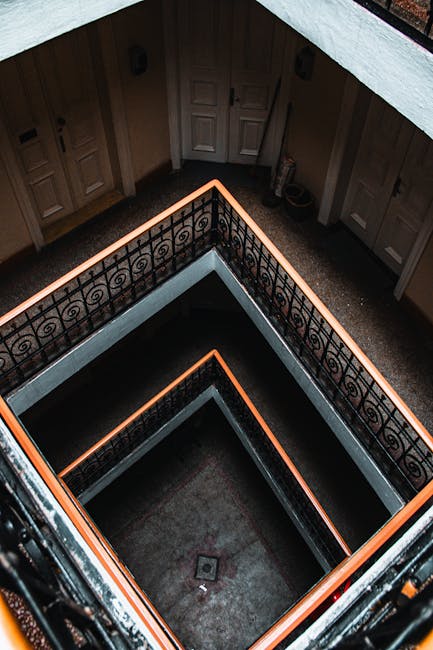
Tight corridors? Solutions for Victorian staircases in N1
Posted on 11/06/2026
Victorian staircases can be charming right up until moving day. One minute you are admiring the period details in an N1 terrace or converted flat, the next you are staring at a narrow landing, a tight turn, and a wardrobe that suddenly seems twice its actual size. If you are dealing with tight corridors and awkward staircases in N1, the good news is this: with the right planning, most moves can be made safer, smoother, and far less stressful.
This guide breaks down what actually works in real homes, not just in theory. We will look at access planning, furniture prep, lifting tactics, timing, and when it makes sense to bring in a specialist team. Along the way, you will also find links to useful planning resources like creating a packing plan, heavy lifting basics, and kinetic lifting techniques if you want to dig deeper.
Contents
- Why tight corridors and Victorian staircases in N1 matter
- How the solution process works
- Key benefits and practical advantages
- Who this is for and when it makes sense
- Step-by-step guidance
- Expert tips for better results
- Common mistakes to avoid
- Tools, resources and recommendations
- Law, compliance, standards and best practice
- Options, methods, and comparison
- Case study or real-world example
- Practical checklist
- Conclusion
- Frequently asked questions
Why Tight corridors? Solutions for Victorian staircases in N1 Matters
Victorian properties in N1 often have the same headache-inducing features: narrow stairwells, sharp landings, low-ceiling turns, decorative banisters, and hallways that feel just a little too generous for everyday living and nowhere near generous enough for sofas, beds, or desks. That is why this topic matters. A move that looks simple from the street can become complicated the moment an item leaves the van and meets the first flight of stairs.
It is not just about convenience. Poor access planning can cause scratches on walls, dents on furniture, delayed moves, avoidable strain injuries, and a lot of unnecessary frustration. To be fair, Victorian staircases have their own rhythm; once you understand it, the whole process gets easier. Before the van even arrives, the smartest teams think through the building layout, the item dimensions, the turning points, and the order in which items should be moved.
In N1, this matters even more because many homes are compact, period-built, and shared between families, professionals, and students. You may have a pristine dresser and a staircase with a stubborn corner, or a sofa that looks fine in the lounge but refuses to cooperate on the second landing. That mismatch is exactly where good access planning pays off.
Expert summary: The safest Victorian staircase move is rarely the strongest one; it is usually the best-prepared one. Measure first, strip items down where possible, protect the route, and move in the right sequence.
How Tight corridors? Solutions for Victorian staircases in N1 Works
The process starts before anything is lifted. Good staircase moving is really a chain of small decisions that add up to one smooth outcome. First, the team assesses the route. Then they compare item sizes to the available width, height, and turning space. After that comes the practical part: preparing furniture, choosing carrying methods, and deciding whether something should be moved intact, partially dismantled, or taken in smaller sections.
In a Victorian property, the route often matters more than the object itself. One awkward bend can be more important than two metres of straight corridor. You might need to tilt a wardrobe, remove the feet from a sofa, take a bed frame apart, or carry a mattress upright through a landing that feels almost comically tight. Small adjustments make a big difference. And sometimes, yes, the answer is simply that the item should not go through the staircase at all.
What works best depends on the building, the item, and the team's experience. A skilled mover will think in practical terms: can the item be rotated safely, protected at corners, and carried without trapping fingers or scraping plaster? Are there bannisters in the way? Is there a narrow corridor before the stairs that makes the first turn the real bottleneck? These are the questions that separate a messy move from a manageable one.
If you are trying to plan a move with tricky access, it also helps to think about the wider move timeline. A good packing sequence, like the one explained in this packing plan guide, can reduce the number of loose items being carried around the stairwell on the day. Less clutter, fewer trips, less chaos. Simple, but effective.
Key Benefits and Practical Advantages
The obvious benefit is that your belongings get moved without drama. But the real value is bigger than that. With proper planning, you protect the building, the furniture, and the people doing the lifting. Nobody wants a chipped wall in a rented flat or a broken arm from trying to force a chest of drawers around a landing. Let's face it, moving day already comes with enough noise and stress.
- Fewer delays: When access is checked in advance, there are fewer surprise bottlenecks.
- Less damage: Protective wrapping, measured carrying, and smarter angles reduce scuffs and knocks.
- Better use of space: Smaller item preparation often makes narrow hallways workable.
- Lower physical strain: The right method reduces the chance of overreaching or twisting under load.
- Cleaner handover: This matters in rented Victorian flats where stair damage is easy to spot.
There is also a mental benefit that people underestimate. Once you know a stair move has been thought through properly, the whole day feels calmer. You stop bracing for disaster. You start making decisions, not panicking. That shift alone can be worth a lot.
For bulky items, it may also be worth pairing staircase planning with furniture-specific advice. For example, if you are moving a couch or storing one between homes, this sofa storage guide can help you think ahead about protection and positioning.
Who This Is For and When It Makes Sense
This kind of planning is especially useful if you live in a Victorian conversion, maisonette, upper-floor flat, shared house, or older terrace in N1 with internal stairs that were clearly designed for smaller daily objects rather than modern furniture. If you have ever tried to turn a mattress on a landing while someone holds the front door open below, you already know the type of challenge we mean.
It also makes sense if you are moving:
- large furniture such as wardrobes, sofas, and bed frames
- delicate items that cannot be knocked about
- student belongings from compact rooms and shared stairwells
- office equipment out of converted Victorian workspace
- same-day items where there is very little margin for trial and error
In our experience, people tend to underestimate access problems when they are focused on the item, not the building. A desk that seems "not too bad" at home can become awkward once you meet the first narrow corner. So if you are even slightly unsure, treat the staircase as a planning issue, not a last-minute surprise.
If your move is urgent, a same-day option may be the difference between a controlled move and a messy one. It is worth reading about urgent flat moves in Pentonville if timing is tight.
Step-by-Step Guidance
Here is the practical route we would recommend. Not glamorous, but it works.
- Measure the route properly. Measure doors, corridor widths, landing space, stair width, and any tight turns. Do not rely on memory. People are surprisingly optimistic after a cup of tea.
- Measure the furniture. Include height, width, depth, and any protruding parts like handles, feet, or arms.
- Check what can be dismantled. Bed frames, tables, shelving, and some wardrobes can often be broken down safely before moving day.
- Protect the route. Use coverings for floors, banisters, and high-contact edges where appropriate.
- Clear the staircase and landing. Remove loose items, mats, shoes, and anything that could create a trip hazard.
- Decide the moving order. Large items usually go first, while small boxes should not be left in the stairwell creating a squeeze.
- Use the right carrying technique. Keep loads balanced, communicate clearly, and do not rush corners.
- Pause at awkward points. A small reset on a landing can prevent damage and reduce strain. That tiny pause matters.
- Have a fallback plan. If an item clearly will not fit, stop and reassess rather than forcing it.
If you are packing alongside the move, a good pack-and-box approach helps the whole process. See packing and boxes in Pentonville for a sensible starting point.
One more thing: if you are moving heavier pieces on your own before the professionals arrive, read up on safe solo lifting basics. It may save your back, honestly.
Expert Tips for Better Results
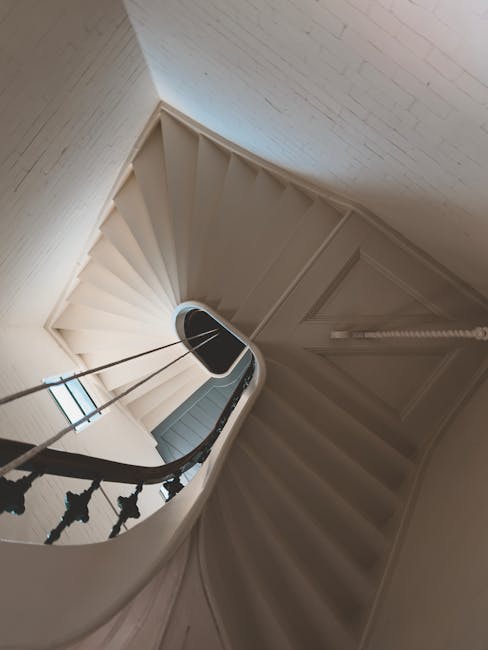
There are a few small things that make Victorian staircase moves much easier. None are dramatic. All of them help.
- Use blankets and edge protection early. Do not wait until the first scrape happens.
- Take feet, shelves, and loose fittings off before the move. Those little bits often catch on the stairwell.
- Keep hands visible and communication clear. A simple "stop", "tilt", or "down a touch" prevents confusion.
- Move at the pace of the route, not the pace of the van. The staircase sets the speed. Always.
- Be honest about the item. If a wardrobe is too bulky, treat it as too bulky. No shame in that.
Another useful habit is to plan your day around stress reduction, not just transport. A calmer move usually means fewer mistakes. If that sounds obvious, fair enough, but it is amazing how many people forget it on the day. These stress-free transition strategies line up well with access-heavy moves.
For awkward lifts, technique matters too. A bit of controlled body movement and a steady hand can make a strange angle manageable. The idea behind kinetic lifting techniques is simple: use momentum carefully, not wildly, and stay balanced throughout.
Common Mistakes to Avoid
The biggest mistake is assuming the staircase will be fine because the item has moved before. Previous success does not guarantee future success. Different building, different landing, different corner. Different headache.
Other common errors include:
- not measuring the narrowest part of the route
- forgetting about banisters, light fittings, or radiators
- trying to move too many items at once
- skipping dismantling to save a few minutes
- using rushed, uneven lifting positions
- leaving boxes in corridors and stairwells
- not checking whether the item should go out through a window or alternative route instead
That last point is important. Sometimes the best solution is not the most obvious one. In older properties, the internal staircase may simply not be the sensible route for a particular item. A professional assessment can save time and reduce risk. No drama, just a better decision.
If you are also clearing out items before the move, the article on decluttering for a fresh start is well worth a look. Fewer belongings usually means fewer staircase battles.
Tools, Resources and Recommendations
You do not need a truck full of specialist gear for every move, but a few basics help a lot. The right kit often makes the difference between a controlled carry and a wobbly one.
- Furniture blankets: Useful for protecting corners, paintwork, and finishes.
- Stretch wrap and tape: Keeps drawers and loose parts secure.
- Furniture sliders: Handy for some ground-floor repositioning before the stairs.
- Gloves with grip: Better hand control, less slipping.
- Measuring tape: Still one of the most valuable tools on the day.
- Torches or bright lighting: Helpful in dim landings and older common areas.
For larger or delicate items, specialist service pages may also help you understand what kind of support is available. For example, furniture removals in Pentonville are a sensible match when the issue is bulky items and awkward internal access, while piano removals in Pentonville are the obvious choice if the staircase challenge is weight, value, and precision all at once.
And if your move is part of a broader service need, general removal services in Pentonville can help you decide how much support you actually need without overbuying the wrong thing. That happens more often than people admit.
Law, Compliance, Standards and Best Practice
For household moves, the main compliance focus is safety and reasonable care. In practical terms, that means protecting people from avoidable injury, reducing the risk of property damage, and not creating hazards for neighbours or other building users. In shared Victorian buildings, that can be especially relevant because access routes are narrow and communal areas are easily disrupted.
Good practice usually includes:
- clear communication before lifting and carrying
- keeping routes free of trip hazards
- using suitable equipment for heavy or awkward items
- avoiding unsafe solo lifting where a second person is clearly needed
- handling items in a way that reduces wall and stair damage
Insurance and safety matter too. If a move is being carried out by a professional team, it is sensible to understand what is covered and how claims are handled before the day arrives. You can review insurance and safety information and the company's health and safety policy to get a clearer picture of standards and responsibilities.
One careful note: if a move is especially awkward, do not treat speed as the objective. The best practice is the safest workable method, not the fastest possible one. That sounds a bit plain, but it saves a lot of trouble.
Options, Methods, or Comparison Table
Different staircase moves call for different approaches. Here is a simple comparison to help you judge the trade-offs.
| Method | Best for | Pros | Limitations |
|---|---|---|---|
| Move item intact | Smaller furniture and simple turns | Quick, less dismantling, less reassembly | Risky if the stairwell is tight or curved |
| Partial dismantling | Bed frames, tables, shelving, some wardrobes | Much easier through narrow corridors and landings | Needs tools, time, and careful reassembly |
| Specialist carrying method | Bulky or valuable items | Better control, reduced damage risk | Usually needs more experienced handlers |
| Alternative access route | Items that will not safely clear the stairs | May avoid damage and strain | Not always available in every property |
| Short-term storage first | Moves with staging or access uncertainty | Reduces pressure on the moving day | Requires extra planning and timing |
If you are juggling timing, temporary storage can be a genuinely smart middle step. It is not always the cheapest route, but it can save your sanity. For planning that kind of staged move, storage in Pentonville may be worth considering.
Case Study or Real-World Example
A common N1 scenario goes like this. A couple moves out of a first-floor Victorian flat with a narrow internal staircase and a sharp landing turn. Their sofa is perfectly fine in the living room, but once it reaches the stairwell it becomes a three-dimensional puzzle. The frame is too long to swing cleanly around the corner. The hallway is also just narrow enough to make a normal carry awkward.
Instead of forcing it, the team pauses. They remove loose cushions, check the feet, protect the walls, and test the angle from the lower step. The sofa still will not cooperate in one piece, so they reassess. A partial dismantle and a revised carrying angle do the job. The sofa gets out without damage, the stair paint stays intact, and nobody ends up doing that slightly embarrassing "sorry, can you just hold it for one second?" dance for ten minutes straight.
It sounds simple after the fact. During the move, though, the difference was the decision to stop and rethink. That is the real lesson. In narrow Victorian properties, quick judgement matters more than brute force.
If you want to compare access-related moving issues in similar local buildings, the piece on staircase moving solutions for Caledonian Road flats is a useful companion read.
Practical Checklist
Use this checklist before move day. It is simple, but it catches a lot.
- Measure every doorway, corridor, landing, and stair turn
- Check if sofas, beds, desks, and wardrobes can be dismantled
- Remove loose handles, shelves, cushions, and feet where possible
- Protect banisters, floors, and walls at pinch points
- Clear stairwells of shoes, bags, mats, and clutter
- Group heavy items so they are moved first, not last
- Confirm what goes in the van and what stays behind
- Keep a tool kit nearby for on-the-spot adjustments
- Plan for parking and building access ahead of time
- Have a backup plan if an item does not fit safely
If you are dealing with household contents that need sorting before the move, one practical route is to combine planning with selective packing help. Packing and boxes support can make the whole process feel much less chaotic, especially when you are trying to keep stair access clear.
Get a free quote today and see how much you can save.
Conclusion
Tight corridors and Victorian staircases in N1 do not have to turn moving day into a headache. The trick is to respect the building, measure properly, prepare the items, and choose the safest method rather than the fastest one. That approach protects your furniture, your walls, and your back. All three matter, frankly.
In older London properties, the best moves are rarely improvised at the last minute. They are planned, adjusted, and carried out with a bit of patience. And when that happens, even the awkward staircases start to feel manageable. Not easy, maybe. But manageable. Which is enough.
Take the time to plan the route, ask the right questions, and let the staircase tell you what it can handle. The calmest move is usually the smartest one, and that is a good feeling to finish on.