Angel Islington to Pentonville: best van routes
Posted on 14/05/2026
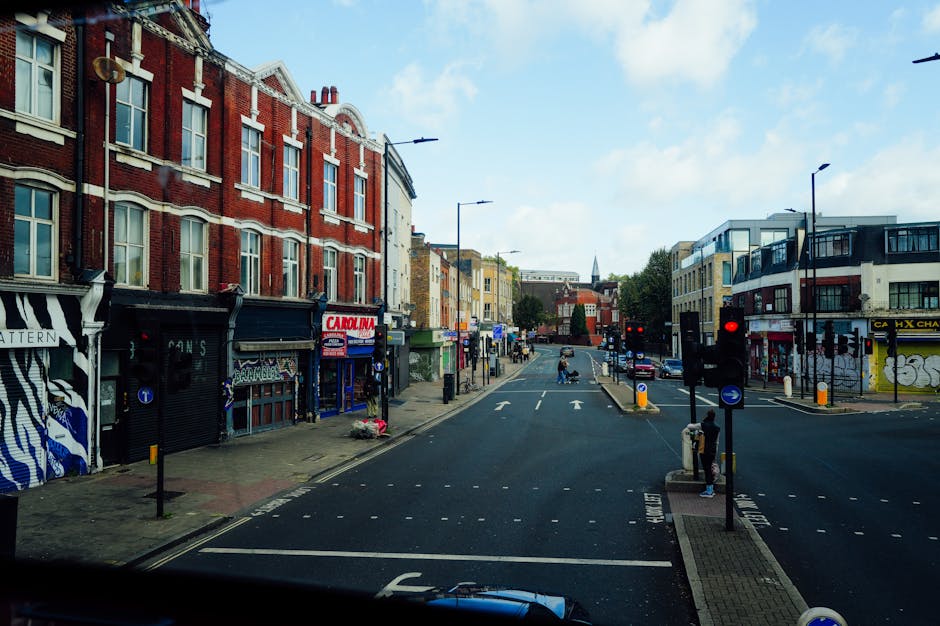
Moving a van between Angel, Islington and Pentonville looks simple on a map. In real life, though, it can turn into a small puzzle of one-way streets, loading space, traffic timing, and the odd awkward corner that makes you mutter under your breath. If you are planning a house move, a flat move, or even a single bulky item transfer, choosing the best van routes from Angel Islington to Pentonville can save time, reduce stress, and make the whole job feel far more manageable.
This guide breaks the journey down in plain English. You will learn which route types usually work best, when to avoid certain streets, how to prepare your load, and what a sensible moving plan looks like in this part of North London. If you want a smoother move, a calmer driver, and fewer surprises at the kerb, you are in the right place.
For many local moves, the difference between a decent route and a frustrating one is not distance. It is timing, vehicle size, and how well the move has been prepared in advance. A bit of foresight goes a long way. Honestly, it can save the whole day.
Why Angel Islington to Pentonville: best van routes Matters
This short stretch through London can be deceptively tricky. Angel and Pentonville sit close together, but the road network around them is shaped by local traffic patterns, loading restrictions, bus lanes, and the general stop-start rhythm of inner London driving. For anyone moving furniture, appliances, boxes, or business equipment, route choice affects more than arrival time. It affects access, lifting effort, fuel use, parking, and whether the move starts calmly or turns into a bit of a scramble.
In a van move, the route is part of the service. A good route helps the driver avoid unnecessary delays and gives you a better chance of getting goods in and out quickly. That matters if you are on a tight handover, dealing with lift access, or working around a narrow time window for a flat clearance. It also matters when you are moving fragile items that should not sit in traffic longer than needed.
There is another reason this topic matters: small local moves often get underestimated. People think, "It's only a short journey." Then they discover the loading bay is awkward, the road is congested, or the staircase is steeper than expected. The route itself may be short, but the logistics are not always simple.
If you are comparing move options, it can help to understand the full service picture as well. A broader overview of removal services is useful if you are deciding whether you need only transport or a more complete moving solution.
How Angel Islington to Pentonville: best van routes Works
The best van route is not just the one that looks shortest on a map app. It is the route that balances travel time, access, restrictions, road width, turn suitability, and the size of the vehicle. In this part of London, that usually means planning around arterial roads first, then dropping into smaller streets only when you know the parking and access point is workable.
For most van jobs between Angel and Pentonville, a driver will usually think in terms of three things:
- Directness - keeping the route short without forcing the van through awkward turns or heavy congestion.
- Access - choosing streets that make loading and unloading realistic.
- Timing - avoiding peak traffic, school runs, or the worst commuter pinch points where possible.
On paper, the journey may be a quick run. In practice, it may include a brief wait for a safe stop, a one-way detour, or a change in approach if a street is blocked or too tight for the van. That is normal. Good local movers build in flexibility, not just a single route and a hope.
If the move involves boxed household items, planning the packing order matters too. A packing plan for moving homes helps keep the van loaded in a sensible sequence, so the first items needed at Pentonville are the easiest to reach.
Typical route logic in plain English
Most experienced drivers will aim to keep the van on main roads for as long as possible, then turn into the destination side as late as practical. That reduces the chance of getting trapped on a narrow street or making a difficult multi-point turn. For a short inner-London move, a slightly longer route can actually be the better one if it avoids a bottleneck.
Truth be told, the most efficient route is sometimes the one that feels a little boring. And boring is good when you are carrying a sofa through traffic.
Key Benefits and Practical Advantages
Choosing the right van route between Angel Islington and Pentonville has several practical benefits that go well beyond time saved.
- Less stress on moving day - when the route is planned properly, everything else feels easier.
- Lower risk of damage - fewer sharp turns, less stop-start driving, and shorter exposure to traffic all help protect items in transit.
- Better use of labour - movers spend more time carrying and less time waiting for access or route corrections.
- More reliable timing - useful for lease handovers, business openings, or same-day transitions.
- Reduced fuel waste - a direct but sensible route can avoid unnecessary loops.
- Improved parking strategy - route planning and parking planning usually go together in London.
There is also a quiet confidence that comes from knowing the move is under control. You can hear it in the way the day unfolds: fewer rushed phone calls, fewer "we're nearly there" messages, less of that slightly panicked checking of the clock. Small thing, perhaps. But it changes the mood of the whole move.
For heavy or awkward furniture, route choice becomes even more important because every extra minute in traffic is a minute added to the job. If you are handling bulky items, our guide on safe heavy lifting techniques is a useful companion read, especially if you are helping with the move yourself.
Who This Is For and When It Makes Sense
This route guidance is useful for a wide range of people, not just full house movers. In fact, short local van journeys often benefit the most from careful planning because the move is easy to underestimate.
You will find it especially helpful if you are:
- moving from a flat near Angel into Pentonville
- relocating between rented properties with a tight check-in/check-out window
- moving student items, boxes, or small furniture
- transporting office equipment or archive materials
- handling a same-day collection and delivery
- moving one or two large items, such as a bed, mattress, or sofa
It also makes sense if you have access issues at either end. Think narrow staircases, limited lift access, controlled parking zones, or a building that only allows loading at specific times. In those cases, a good route is part of a wider access plan, not a standalone decision.
Students, in particular, tend to benefit from a compact and efficient move setup. If that sounds like you, have a look at the dedicated student removals in Pentonville page for more tailored support.
And if your move is really just a single furniture item or a few pieces, a specialised man and van service in Pentonville can be a practical middle ground between DIY transport and a full removal team.
Step-by-Step Guidance
Here is a practical way to plan a van route from Angel Islington to Pentonville without overcomplicating the process.
- Confirm the exact pickup and drop-off points. Don't guess the entrance. Use the full address, not just the building name.
- Check vehicle access at both ends. Ask whether the van can stop close to the door, and whether there are width, height, or turning limits.
- Look for loading restrictions. Local restrictions can change what is possible, even on a short journey.
- Choose a route that suits the van, not just the sat-nav. A route suitable for a car may be poor for a larger removal vehicle.
- Plan around busy periods. Early morning or mid-morning often works better than the obvious rush-hour windows, though it depends on the exact day.
- Prepare the load in order of priority. Items needed first should be loaded last, so they come off quickly.
- Leave a little breathing room. Even a short London move can encounter traffic or access delays. Build that in.
A simple example: if you are moving a bed, a couple of boxes, and a small wardrobe, you may not need a huge van. But you still need a route that allows safe stopping and easy handling. The route and the load should match. That sounds obvious, but it is where a lot of people trip up.
If your larger items need disassembly or careful wrapping, this is where proper prep really pays off. Our bed and mattress moving advice covers practical ways to protect bulky bedroom items during transport.
Expert Tips for Better Results
These are the kinds of small decisions that make a local move noticeably smoother.
1. Use the route that reduces awkward manoeuvres
A slightly longer but straighter route is often better for a van than a "shortest" route packed with turns. Every unnecessary turn increases the chance of delay, especially on busy streets.
2. Match the van size to the streets
Too small and you may need repeat trips. Too large and the van becomes harder to park, reverse, or position safely. The sweet spot is usually a vehicle that can carry the load in one go without creating access headaches.
3. Pack in the order you'll unload
That way, the first things needed at Pentonville are easy to reach. It sounds almost too simple, yet it saves real time. If you want to reduce last-minute chaos, a thoughtful stress-free moving strategy can help you keep the move under control from start to finish.
4. Protect floors and stairwells in advance
In flats and managed buildings, floor protection is more than a nice extra. It helps avoid awkward conversations later. That is especially true for heavy furniture, where scuffing is easy if people rush.
5. Think about the weather
A wet day changes everything. Wet cardboard, slippery steps, and heavier carry loads can slow a move down fast. A route that minimises time outside the van can be a real advantage when the drizzle sets in, as it often does around here.
6. Don't ignore specialist items
Pianos, awkward sofas, and long appliances need extra care. For a piano, route planning is only one part of the picture. The bigger issue is proper handling. Our guide on when to hire for piano moving explains why specialist support is often the sensible choice.
One more small but useful note: if you can keep the move calm, the team will usually move more efficiently. Calm is contagious. So is panic, unfortunately.
Common Mistakes to Avoid
Most route problems are avoidable. They tend to come from assumptions rather than major errors.
- Using the fastest route on a phone app without checking vehicle suitability. The quickest route for a pedestrian, cyclist, or car is not always suitable for a van.
- Assuming short distance means easy access. A 10-minute journey can still be a frustrating move if parking is poor.
- Forgetting about arrival timing. Getting there 15 minutes earlier can help, or it can create waiting issues. Plan it properly.
- Overloading the van. Too much in one trip can create handling and safety risks.
- Not preparing the property before the van arrives. Doors, lift access, keys, and boxed items should all be ready.
- Ignoring special items. Sofas, fridges, and large wardrobes need more than a quick lift and hope.
There is a common temptation to skip planning because "it's just across town." That's exactly how a quick job becomes a long afternoon. Not ideal. Not the end of the world either, but still.
If you are decluttering before the move, it can make a genuine difference to route efficiency because you are carrying less. This decluttering guide for moving forward is worth reading before you start boxing everything in sight.
Tools, Resources and Recommendations
You do not need a huge toolkit for a local van move, but a few simple items and bits of planning can make the route and delivery much easier.
Useful tools
- Route planning app - good for checking road timing and live traffic.
- Measuring tape - helpful for doors, furniture, and van loading space.
- Labels and marker pens - speeds up unloading and reduces confusion.
- Blankets or wraps - useful for protecting furniture edges.
- Ratchet straps or load restraints - important for securing heavier items in the van.
- Boxes and packing materials - simple, sturdy, and easier to stack than random bags.
For boxes and packing supplies, the dedicated packing and boxes service in Pentonville is a useful place to start if you want better organisation and less last-minute panic.
If storage is part of your move, perhaps because completion dates do not line up neatly, then a reliable storage solution in Pentonville can take pressure off the route itself by letting you split the move into stages.
And if you are moving furniture that needs handling with care, this local furniture removals service is worth considering, especially for larger pieces that do not love tight staircases. To be fair, most wardrobes don't.
Law, Compliance, Standards, or Best Practice
For van moves in London, compliance is mostly about safe, sensible practice rather than dramatic legal complexity. Still, it matters. Drivers and movers should follow road rules, respect parking restrictions, and avoid creating hazards for pedestrians or other road users. Local streets can be busy, narrow, and unforgiving of rushed manoeuvres.
Best practice usually includes:
- Safe loading so items do not shift during transit.
- Respect for parking and stopping rules around the pickup and drop-off points.
- Careful lifting technique to reduce the chance of personal injury.
- Reasonable insurance and liability awareness for valuable or fragile goods.
- Clear communication between the customer and the mover about access, timing, and item handling.
If you are hiring help, it is sensible to check the company's own approach to safety and protection. Their insurance and safety information is a useful place to understand how they handle risk, while the health and safety policy gives you a better sense of working standards.
It is also worth understanding terms and booking conditions before you commit. The terms and conditions page and the pricing and quotes information can help you avoid misunderstandings later, which is one of those boring-but-important parts of moving. Boring, yes. Useful, absolutely.
Options, Methods, or Comparison Table
There is more than one way to get goods from Angel Islington to Pentonville. The right method depends on how much you are moving, how quickly you need it done, and how much access pressure you are dealing with.
| Method | Best for | Strengths | Trade-offs |
|---|---|---|---|
| Direct local van route with one trip | Most house and flat moves, bulky furniture, planned same-day jobs | Fast, efficient, fewer handlings | Needs decent parking and good load planning |
| Multiple short trips | Very small loads, low-volume student moves | Flexible and sometimes cheaper for tiny jobs | Can take longer and add stress |
| Man and van with assisted loading | Heavy items, awkward stairs, time-sensitive moves | Less strain on you, quicker handling | May cost more than self-loading |
| Full removals service | Larger homes, multiple rooms, complex access | More hands, more organisation, less work for you | Not always necessary for a small local move |
For a lot of local customers, the sweet spot is a well-planned removal van service in Pentonville with enough capacity to finish the move in one clean run. That often gives the best balance of speed and control.
If your move is bigger than it first appears, the broader removals in Pentonville page can help you decide whether a fuller service is worth it. And for business relocations, the office removals page is the more relevant route to explore.
Case Study or Real-World Example
Here is a realistic local example. A couple moving from a flat near Angel to a first-floor property in Pentonville needed to move a sofa, a double bed, several boxes, and a small dining table. On paper, it looked like a straightforward half-day job. In practice, the Angel side had limited stop space, and the Pentonville property had a narrow entrance with a time-limited loading window.
Instead of chasing the shortest route, the mover planned a slightly more flexible path that reduced difficult turning and allowed for a cleaner approach to the unloading point. The sofa was wrapped before loading, the bed base was moved separately, and the boxes were packed so the kitchen and bedding came off first. Because the route and the load order were both planned properly, the move stayed calm and finished without the usual last-minute rush.
Nothing flashy. Just a good route, sensible timing, and a bit of discipline. That is often how the best local moves happen.
If you are dealing with sofas specifically, our sofa storage and handling guide may be useful if your move involves storing furniture before delivery. And if your home handover needs a final clean before the van arrives, the pre-move house cleaning checklist is a good companion read.
Practical Checklist
Use this quick checklist before the van leaves Angel and heads to Pentonville.
- Confirm full pickup and delivery addresses.
- Check for stairs, lifts, narrow corridors, or access codes.
- Choose the van size based on the actual load.
- Plan the route for van suitability, not just distance.
- Check parking or loading space at both ends.
- Wrap fragile or scratched items before loading.
- Label boxes by room and priority.
- Keep essential items separate for quick access.
- Secure large items with straps or blankets.
- Allow extra time for traffic, weather, or access delays.
- Review safety and insurance information if you are hiring help.
If you want to make the whole experience less hectic, it can also help to revisit your moving strategy the day before. A quick reset, a final check, and a cup of tea in hand, and things usually feel more manageable. It is a small thing, but it works.
Conclusion
Planning the best van routes from Angel Islington to Pentonville is really about removing friction from the move. The right route keeps the van moving smoothly, helps protect your belongings, and reduces the chance of awkward access problems on the day. For a short local move, that can be the difference between a tidy, efficient job and a frustrating one that seems to drag on forever.
The main idea is simple: think like a mover, not just a map app. Match the route to the vehicle, the item size, the building access, and the time of day. Prepare properly, pack in a sensible order, and leave room for the reality of London streets. If you do that, the move usually feels lighter, even if the boxes are not.
Get a free quote today and see how much you can save.
And if you are still at the planning stage, that is fine too. Good moves are rarely accidental. They are built one sensible decision at a time, and a calm start makes a surprisingly big difference.