Pentonville Road moving guide: narrow streets and parking tips
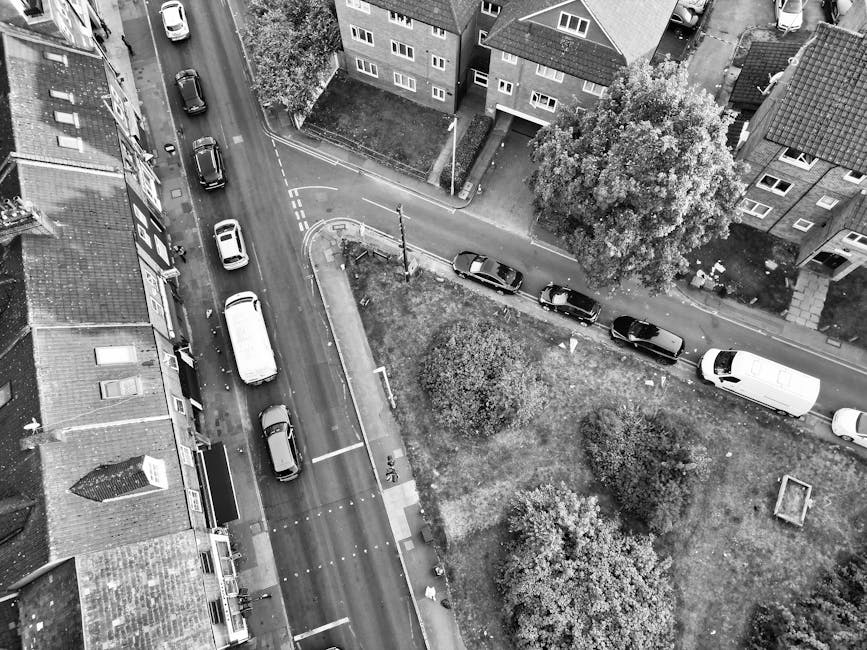
If you are planning a move on or near Pentonville Road, you already know the first problem is rarely the boxes. It is the street itself. Tight lanes, busy traffic, awkward kerb space, and the usual London parking puzzle can turn a simple relocation into a long, stressful morning. This Pentonville Road moving guide: narrow streets and parking tips is here to make that day easier, calmer, and far more organised.
Truth be told, a smooth move in this part of London is usually won before the van even arrives. A little planning around access, loading space, timing, and vehicle size can save you from rushed lifting, blocked entrances, and that awkward moment when everyone is standing around wondering where the van can actually stop. Let's fix that now.
Below, you will find practical advice on the realities of moving on Pentonville Road, how narrow streets affect loading, what parking issues to expect, and how to reduce risk without overcomplicating the day. There is also a checklist, a comparison table, and a few real-world tips that can make a surprising difference.
- Why narrow streets and parking matter on Pentonville Road
- How moving access usually works in this area
- Key benefits of planning ahead
- Who this guide is for
- Step-by-step moving guidance
- Expert tips for smoother moving day access
- Common mistakes to avoid
- Tools, resources and recommendations
- Law, compliance and best practice
- Options and comparison table
- Case study / real-world example
- Practical checklist
- Conclusion
- Frequently asked questions
Why Pentonville Road moving guide: narrow streets and parking tips Matters
Pentonville Road sits in a part of London where space is at a premium. That sounds obvious, but moving day exposes just how tight things really are. A road that feels manageable in a car can become tricky the moment you add a removal van, trolleys, double-parked vehicles, cyclists, pedestrians, and a couple of people carrying a sofa at arm's length. Not ideal.
The narrow-street problem matters for three reasons. First, it affects where a vehicle can stop. Second, it influences how far your furniture needs to be carried. Third, it changes the pace of the whole move. Even a short delay in finding a legal stopping point can ripple through the day. So the best plan is not just about packing well; it is about access, timing, and realistic expectations.
If you are moving a home, a flat, or even a small office, the street layout can also change the type of moving support you need. For example, a large truck may not be the best fit if the road is too tight or if loading must happen quickly. In those cases, a more compact vehicle and a well-organised crew can be the smarter choice. You can explore suitable options through man and van support or broader removal services depending on the size and complexity of the job.
There is another reason this matters: stress. Moving is already noisy, physical, and emotionally tiring. Add a parking problem and everyone gets tense. You can feel it in the atmosphere. The aim here is to remove those friction points before they begin.
How Pentonville Road moving guide: narrow streets and parking tips Works
A successful move on Pentonville Road usually follows the same logic: assess the street, choose the right vehicle, plan the loading point, and leave enough time for the unexpected. Simple in theory. Slightly less simple in practice.
Think of the process in four layers:
- Street assessment. Check the width, turning space, and likely obstructions outside the property.
- Vehicle planning. Decide whether a smaller van, medium van, or larger removal vehicle is realistic.
- Parking strategy. Work out where the van can legally wait, load, or unload without causing a problem.
- Moving-day flow. Organise who carries what, when items leave the property, and how quickly the vehicle can depart.
On roads like this, the move is often won by good sequencing. For instance, if the lift is small, the hallway is tight, or the front door opens straight onto the pavement, you want a crew that can keep items moving in a steady line. Small pause, less clutter. Big pause, everything starts backing up.
It also helps to understand the difference between a quick drop-off and a true loading operation. A few minutes to load a suitcase is one thing; a full house move is another entirely. If you need help choosing the right setup, pages like moving van and removal van can help frame the difference in vehicle type and capacity.
Key Benefits and Practical Advantages
Good access planning is not glamorous, but it pays off fast. The biggest benefit is time saved, and on a busy London road, time means less disruption and fewer surprises. You also reduce the risk of damage, both to your belongings and to the building, pavement, or vehicle.
Here are the main advantages of planning the move properly:
- Less waiting around. Your crew can start loading instead of circling the block.
- Lower physical strain. Shorter carrying distances mean fewer heavy lifts.
- Better protection for furniture. Fewer tight turns and awkward manoeuvres mean fewer bumps and scrapes.
- Cleaner coordination. Everyone knows where the van is going, where items should be placed, and what happens next.
- Less risk of fines or complaints. A well-managed loading approach is less likely to upset neighbours or cause avoidable parking issues.
There is also a soft benefit that people often miss: confidence. When you know the van is the right size, the route has been thought through, and the street access is realistic, the day feels less like a gamble. That matters more than people admit.
Expert summary: On Pentonville Road, the safest moving plan is usually the simplest one: use the right-sized vehicle, keep the loading point as close as possible, and avoid making the day depend on hope. Hope is not a parking strategy.
Who This Is For and When It Makes Sense
This guide is for anyone moving to, from, or within the Pentonville Road area who needs to deal with limited street space. That includes tenants moving in or out of flats, homeowners shifting furniture, students with awkwardly shaped items, and businesses relocating equipment or stock.
It is especially useful if any of these apply:
- You are moving on a weekday and expect traffic to be heavier.
- Your property has restricted frontage or a narrow entrance.
- You live in a block with shared access or limited waiting space.
- You have bulky furniture such as wardrobes, beds, desks, or appliances.
- You need the move to happen fast, with minimal disruption to neighbours.
It also makes sense if you are comparing moving options and trying to decide whether you need full removals or something more flexible. In some cases, a compact team is enough. In others, especially where multiple loads or careful handling are involved, full house removals or even commercial moves may be more appropriate.
To be fair, not every move needs a heavy-duty setup. But if the street is tight, the pavement is busy, or your move has more than a few pieces of furniture, the wrong choice can become expensive in time and energy. Nobody wants that.
Step-by-Step Guidance
Here is a straightforward way to approach a move on Pentonville Road without making it feel like a military operation.
1. Walk the access route before moving day
Start outside the property. Look at the width of the road, any bends, the kerb side, and where a van might be able to stop. Check whether there are bollards, loading restrictions, bus lanes, or other features that could affect stopping space. The street can look fine at a glance and still be awkward in practice.
2. Measure large items and doorways
Do not assume the sofa will magically fit because it fitted in the old place. Measure the widest furniture and compare it against stair turns, hallway corners, and lift sizes. If something is borderline, plan for dismantling or extra carrying help. A little tape measure work now saves a very sweaty moment later.
3. Choose the right vehicle size
This is where many moves go sideways. A bigger van sounds efficient, but on narrow streets it can become a hassle. A smaller vehicle may mean easier stopping, simpler turns, and less pressure on the loading area. If you are unsure, compare a few options through man with van and removals van style services to see what fits your situation best.
4. Plan the loading order
Heavy items first is usually sensible, but the real trick is order. Put the things you need last at the front of the property, not buried in the vehicle. A good loading sequence reduces backtracking. Think beds, wardrobes, tables, then boxes, then fragile bits placed where they will not get crushed.
5. Confirm parking and stopping arrangements
Before the day, identify where the van will arrive, where it will wait if needed, and how long loading may take. If you live on a busy stretch, a little timing flexibility can help a lot. Early morning often feels calmer, but local traffic patterns and building access matter too.
6. Keep the pathway clear
Inside the property, keep a clean route from the door to the van. Shoes, loose rugs, recycling bags, bikes, and random hallway clutter become annoying very quickly. It is one of those tiny details that makes a huge difference.
7. Build in a buffer
Always allow more time than you think. A delayed lift, a hard-to-park van, or a neighbour needing driveway access can throw off the best plan. It is not a sign of failure; it is just London being London.
Expert Tips for Better Results
In our experience, the best moves on tight roads are rarely the fastest-looking ones at the start. They are the ones where the team stays calm, adaptable, and slightly ahead of the problem. Here are a few tips that usually help.
- Use a spotter if the street is tight. One person watching the van's position and surrounding traffic can prevent a lot of awkward shuffling.
- Load for speed, not just weight. Put items in a sequence that supports quick unloading at the destination.
- Keep fragile items grouped. This reduces rummaging and keeps handling cleaner.
- Have a backup plan for parking. If the first spot is blocked, know the next legal option before the vehicle arrives.
- Communicate clearly. A simple "stop," "clear," or "hold here" is often more effective than a long explanation shouted across the pavement.
One useful trick is to stage everything in the flat before the van arrives, but not in a chaotic pile. Put items near the exit in a sensible sequence. That way the crew can keep moving without everyone bumping into each other. Sounds minor. It isn't.
If you are moving heavier furniture or repeated loads, you may also want to look at services that combine labour and transport, such as man with van removal or broader removals near me support if you need something local and responsive.
And yes, check the weather. A wet pavement near a narrow curb can make everything feel just that little bit more dramatic.
Common Mistakes to Avoid
People usually do not get into trouble because they are careless. They get into trouble because they underestimate how much a tight street changes the whole move.
- Booking a vehicle that is too large. Bigger is not always better when access is awkward.
- Assuming parking will sort itself out. It rarely does.
- Ignoring stairs, door width, and turning space. A flat move can still have difficult internal access.
- Leaving packing to the last minute. That turns the loading process into a scramble.
- Not briefing everyone properly. If helpers do not know the plan, they slow each other down.
- Forgetting building rules. Some properties have access windows, lift rules, or management restrictions that matter on the day.
Another common mistake? Treating the final 20 metres to the van like an afterthought. On a narrow road, those last few metres can be the hardest part. It is funny, in a grim little way, how often that gets missed.
If your move includes furniture disposal or item handover, it can help to think ahead about what stays, what goes, and what needs special handling. Services like furniture pick up may be useful for items that do not need to travel with the rest of your belongings.
Tools, Resources and Recommendations
You do not need complicated gear, but a few practical tools make narrow-street moving much easier.
| Tool / resource | Why it helps | Best for |
|---|---|---|
| Tape measure | Checks furniture, doorways, and tight corners | Any move with bulky items |
| Furniture blankets | Protects surfaces during tight manoeuvres | Wood furniture, appliances, mirrors |
| Straps and trolleys | Makes short carries safer and quicker | Heavy boxes, washing machines, desks |
| Labels and room markers | Speeds up unloading and reduces confusion | Flats, shared entrances, mixed-item moves |
| Staging boxes | Keeps essentials separate and easy to reach | Moves with tight timing |
If you are comparing moving support, it may also help to review service pages that explain levels of care, costs, and protection. For example, pricing and quotes, insurance and safety, and packing and unpacking services are all worth a look if you want a clearer picture before you book.
One small but useful recommendation: keep your essentials bag on your body, not in the van. Keys, documents, chargers, medication, kettle items, and a change of clothes should be with you. Not glamorous, but very sensible.
Law, Compliance, Standards, or Best Practice
When moving on a busy road, the legal side is usually less about formal paperwork and more about common-sense compliance with parking, access, and safety expectations. Exact restrictions can vary by location, and local signs should always be checked carefully on the day. That part is non-negotiable.
Best practice is to avoid blocking access, keep pavements clear where possible, and make sure the vehicle is parked or waiting in a lawful way. If you are using a building with shared access, follow any rules set by the landlord, managing agent, or building staff. It may sound obvious, but many problems start with someone assuming "it'll be fine for ten minutes." Ten minutes can become a headache very quickly.
Health and safety matters too. Heavy lifting, narrow stairways, and tight kerbs are not the place to rush. Good movers use sensible lifting techniques, clear communication, and appropriate equipment. If you are hiring help, it is reasonable to ask how the move will be handled safely and what support is available if items are difficult to carry.
For customers who value clear procedures, it can also help to review a company's health and safety policy, terms and conditions, and payment and security information before confirming the job. That is just good sense, really.
Options, Methods, or Comparison Table
If you are unsure how to structure the move, it helps to compare the main approaches. The best choice depends on road access, volume, and how much help you need.
| Option | Best for | Pros | Watch-outs |
|---|---|---|---|
| Small van or man and van | Flats, lighter loads, awkward streets | Easier parking, flexible access, often faster in tight areas | May need multiple trips for larger loads |
| Mid-size removal vehicle | Medium-sized home moves | More capacity while still manageable on many urban roads | Needs careful access planning |
| Full removal truck | Larger moves, multiple rooms, commercial jobs | Best for bigger inventories and organised loading | Can be harder to position on narrow streets |
| Hybrid approach | Tricky access plus moderate volume | Flexible and often efficient for London properties | Needs strong coordination and timing |
For many Pentonville Road jobs, the hybrid approach is quietly the most effective. A smaller vehicle for access, with a well-planned load and good handling, can be more practical than trying to force a large truck into a street that does not want one. Streets do have opinions, apparently.
Case Study or Real-World Example
A typical example would be a one-bedroom flat move from Pentonville Road to another central London location. The building might have a narrow entrance, a staircase with a tight turn, and limited space outside for vehicle stopping. The resident has a bed frame, a desk, a sofa, several boxes, and a couple of awkwardly shaped kitchen items. Nothing exotic, but enough to create congestion if handled badly.
In a move like this, the team would usually arrive with a compact van rather than a large truck. The carrier would identify the safest stopping point, keep the loading door clear, and move items in a set order: boxes first from inside staging, then the heavier furniture, then fragile final items. If the street was too busy at the first attempt, a nearby alternative stopping arrangement would be checked before any lifting started.
The key difference was not speed alone. It was how much uncertainty was removed before the first box moved. The resident did not have to guess where the van would go. The team did not have to improvise at the kerb. And the whole move felt surprisingly steady, even though the street itself was far from generous.
That is the real lesson here: on a narrow London road, good moving is less about brute force and more about clean decisions made early.
Practical Checklist
Use this checklist the day before and again on the morning of the move.
- Confirm the moving date, arrival time, and access instructions.
- Measure large items and any tight doorways or stair turns.
- Decide whether a small, medium, or larger vehicle makes sense.
- Check where the van can stop without creating a blockage.
- Prepare parking or access notes for the driver.
- Pack essentials separately and keep them with you.
- Label boxes by room and priority.
- Clear hallways, doorways, and entrance paths.
- Protect fragile items with blankets, paper, or proper wrap.
- Tell neighbours if you expect short-term loading activity.
- Have a backup plan if the first parking spot is not available.
- Keep keys, phone, and documents handy.
Quick sanity check: if you are still thinking "we'll just sort it on the day," it is worth pausing. That phrase has caused more moving stress than any damaged box ever did.
Conclusion
Moving on Pentonville Road does not have to be difficult, but it does need thought. Narrow streets and parking limitations are not minor details; they shape the whole experience. The best moves are usually the ones where the vehicle fits the street, the loading plan is realistic, and the team knows exactly what to do before the first item reaches the kerb.
If you take one thing from this guide, let it be this: plan for access as carefully as you plan for packing. That single habit can cut stress, save time, and make moving day feel far more manageable. Not perfect. Just manageable, which on a London street is already a win.
Get a free quote today and see how much you can save.
And if you are still in the early planning stage, that is fine too. A steady, sensible move is usually built one small decision at a time, and that's often what makes the day feel good in the end.
Frequently Asked Questions
Can a large removal truck fit on Pentonville Road?
Sometimes, but not always comfortably. It depends on the exact stretch of road, current traffic, nearby vehicles, and whether there is safe stopping space. For many moves, a smaller vehicle is simply easier to manage.
What is the best time of day to move in this area?
There is no perfect answer, but quieter periods can make loading easier. Early starts often help, although local traffic, school runs, and building access rules should all be considered before you choose a time.
Do I need to arrange parking in advance?
It is wise to think about parking well before moving day. Even if no formal arrangement is needed, having a clear plan for where the vehicle will stop can prevent delays and stress.
What if the street is too narrow for a van to wait outside?
Then you may need a different vehicle size, a closer alternative stopping point, or a loading strategy that reduces the time the van needs to be at the property. Flexibility matters on tight roads.
Is a man and van service enough for a Pentonville Road flat move?
For many smaller flat moves, yes. A compact service can be a very sensible choice where access is limited, especially if the load is light to medium and there are awkward parking conditions.
How do I avoid blocking traffic while loading?
Keep the load plan ready, stage items inside before the vehicle arrives, and minimise the time spent figuring things out at the kerb. A clear role split between helpers also makes a difference.
Should I dismantle furniture before the move?
If an item is bulky or borderline for doorways and stair turns, dismantling it is often the safer choice. A bed frame that breaks down easily is much easier to move than one forced through a tight landing.
What should I tell the moving team before the day?
Share access details, parking concerns, building rules, lift information, any narrow stairs, and anything unusually heavy or fragile. The more practical detail they have, the smoother the day tends to go.
Are there special rules for moving in central London streets?
Yes, in the sense that local parking signs, loading restrictions, and building rules can all affect what is possible. Always check the exact situation on the day rather than assuming it will be the same as last week.
What if it rains on moving day?
Then you protect floors, boxes, and furniture a little more carefully and keep the route as clear as possible. Rain is annoying, but it does not have to ruin the move if you are prepared.
How far in advance should I book a mover for Pentonville Road?
As early as you reasonably can, especially if your move is time-sensitive or involves awkward access. Good planning gives you more choice over vehicle size and timing, which is helpful in a busy area.
What is the biggest mistake people make with narrow-street moves?
Assuming the street can be handled at the last minute. That is usually where things unravel. The fix is simple enough: measure, plan, confirm, and leave a bit of breathing room.