Council fines and bulky-item disposal rules in Pentonville
Posted on 29/07/2026
If you live in Pentonville and you've got a sofa in the hallway, a broken wardrobe in the yard, or a mattress that's been leaning in the spare room for a week longer than planned, the rules around bulky waste can suddenly feel very real. One wrong move can mean clutter on the pavement, complaints from neighbours, and in some cases council fines. That's the frustrating bit: most people do want to do the right thing, they just don't always know what counts as bulky waste, how collection arrangements usually work, or where the line is between sensible disposal and fly-tipping. This guide breaks down Council fines and bulky-item disposal rules in Pentonville in plain English, so you can avoid hassle and handle large-item disposal cleanly, safely, and without last-minute panic.
For readers planning a bigger clear-out, it can also help to think ahead. A proper declutter plan often makes disposal easier from the start, which is why many people pair this kind of job with advice like decluttering before a fresh start and creating a packing plan for moving homes. It sounds simple, but a little planning can save a lot of awkward lifting and even more awkward fines.
Why Council fines and bulky-item disposal rules in Pentonville Matters
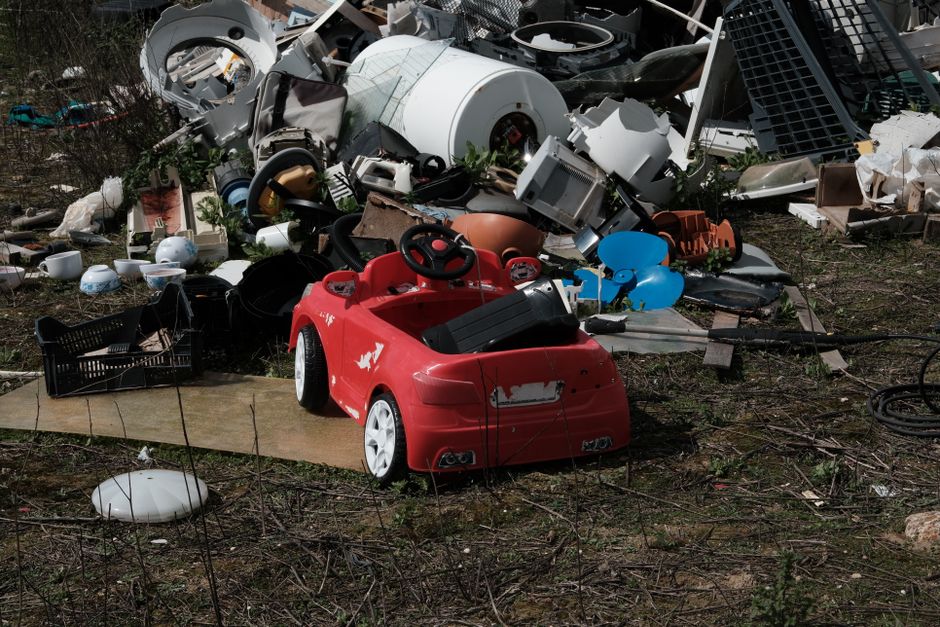
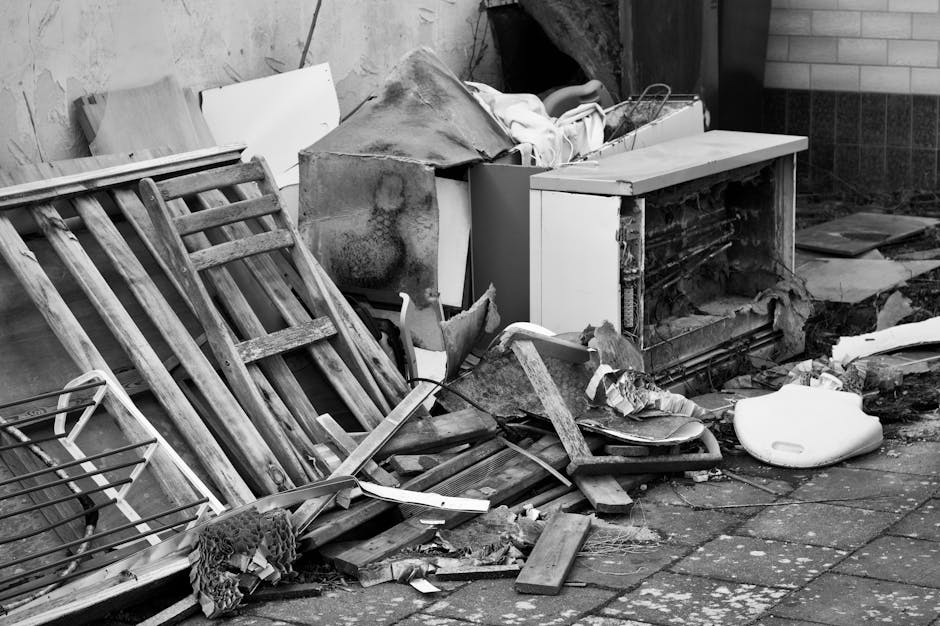
Bulky-item disposal matters because the consequences are not just theoretical. In a dense part of London like Pentonville, a single mattress left beside the bin store can block access, attract complaints, and create the kind of "someone else will sort it" situation that often ends with the council getting involved. And once enforcement starts, the problem gets more expensive and stressful very quickly.
There's also a practical angle. Pentonville has plenty of flats, older buildings, narrow stairwells, shared entrances, and limited outside space. That means bulky waste can't always be treated like garden rubbish in a suburban driveway. You need to think about shared access, timing, transport, and whether an item can be moved without causing damage. A quick example: a sofa left on a communal landing for two days can become a fire safety issue long before it becomes a recycling issue. Not ideal.
People often ask, "Is it really that serious if it's just for a bit?" Truth be told, yes, it can be. Most complaints happen when one item becomes three, then five, then the hall starts looking like a storage unit. That's when neighbour relations get strained and the council may step in. If you're already planning a move, it's worth reading practical moving advice such as pre-move house cleaning essentials and stress-free moving strategies, because disposal and moving timelines usually overlap.
Key takeaway: bulky-item disposal in Pentonville is not just about getting rid of old furniture. It's about avoiding public obstruction, respecting shared spaces, and using the right disposal route before a problem becomes a fine.
How Council fines and bulky-item disposal rules in Pentonville Works
The basic idea is straightforward: bulky items should be disposed of through a lawful, appropriate method, not abandoned on the street, in communal areas, or beside general bins. "Bulky" usually means items too large for normal household waste, such as sofas, wardrobes, beds, mattresses, white goods, tables, and some broken furniture. Different councils set their own service rules, collection conditions, and charge structures, so it's always worth checking the current local arrangement before you move a single chair.
In practice, there are usually a few common routes. You might book a bulky-waste collection, take items to an approved disposal point if you have access, donate usable items, or use a licensed removal service that can transport bulky waste as part of a larger move. The right choice depends on the item, urgency, volume, and whether anything needs dismantling. For example, a wardrobe from a top-floor flat may be better handled as part of a wider removal plan rather than dragged down a tight staircase in one piece.
Fines usually arise when waste is fly-tipped, left in a prohibited location, or put out for collection in a way that breaches local rules. The council's enforcement approach can vary, but the principle is consistent: if the waste creates an obstruction or is dumped improperly, you may face penalties. No one wants that, obviously.
For bigger clear-outs, it helps to think about the whole chain of movement. A well-prepared item is quicker to shift, safer to carry, and less likely to be left out "just for tonight." If the job is physically awkward, guidance like heavy lifting basics and kinetic lifting techniques can help you understand the risks before you start wrestling with a sofa at 8pm on a Tuesday.
Key Benefits and Practical Advantages
Following the rules is not just about avoiding fines. It makes the whole process calmer, cleaner, and usually cheaper in the long run. Once people stop treating bulky disposal as an afterthought, they notice the difference pretty quickly.
- Less risk of penalties: you avoid the common mistakes that trigger council enforcement.
- Better building access: shared hallways, staircases, and entrances stay clear.
- Safer handling: properly planned lifting reduces injury risk and damage.
- Cleaner handover: useful when moving out, renting, or preparing a property for inspection.
- More efficient moving day: fewer delays when the bulky item is already dealt with.
- Lower stress: you are not trying to solve waste disposal at the same time as packing, cleaning, and keys.
There's a hidden benefit too: better decision-making. Once you sort bulky items early, you can tell whether something should be kept, sold, stored, donated, or removed. A lot of clutter is not really rubbish at all; it's uncertainty. If an item has value or you may need it later, storage can be a smarter move than disposal. That is where long-term sofa storage guidance can be helpful, especially if you are between homes or downsizing.
Who This Is For and When It Makes Sense
This topic matters to more people than you might expect. It is not only for landlords or movers. If you live in Pentonville, chances are you'll face bulky-item disposal at some point, especially if you are moving, refreshing a flat, or replacing old furniture.
It makes sense for:
- tenants ending a lease and needing a clean handover
- homeowners clearing out an attic, bedroom, or spare room
- students moving between accommodation with awkward furniture
- landlords preparing a property for new occupants
- offices disposing of desks, chairs, and broken equipment
- anyone dealing with a one-off large item that won't fit regular bins
If you are moving out of a flat, bulky disposal often becomes part of the moving checklist whether you planned it or not. Small items go in boxes, the mattress gets rolled or wrapped, and then suddenly the old dining table becomes the real problem. In those cases, combining removal and disposal can be more sensible than trying to solve them separately. A local route such as flat removals in Pentonville or removals in Pentonville may be a better fit than a patchwork of separate trips.
Step-by-Step Guidance
- Identify the item clearly. Decide whether it is general waste, reusable furniture, electrical waste, or a true bulky item. A sofa is not the same as a broken fan, and the disposal path may differ.
- Check whether it can be reused. If the item is in decent condition, donation or resale may be better than disposal. It is kinder, and sometimes simpler.
- Measure access points. Hallways, stair turns, front doors, lifts, and loading spaces can all determine whether the item can be moved safely.
- Decide whether dismantling helps. Beds, wardrobes, and tables often move better when partially dismantled. Keep screws and fittings in a labelled bag.
- Choose the disposal route. Book a collection, arrange a removal service, or plan transport yourself if that is allowed and practical.
- Prepare the item properly. Remove cushions, contents, drawers, and loose parts. Tape doors shut if needed. Secure sharp edges.
- Move it at the right time. Keep shared areas clear and avoid leaving items out overnight. That one is a small habit with a big payoff.
- Dispose of it lawfully. Make sure the item reaches the correct destination, not a pavement, alley, or skip that is not authorised for your waste.
If you are doing this as part of a move, pair the disposal plan with packing and transport planning. A good starting point is how to create a packing plan for moving homes and, if the item is awkward or heavy, man with a van Pentonville services can be a sensible middle ground between doing it all yourself and booking a full-scale removals team.
Expert Tips for Better Results
After seeing how these jobs go wrong, a few practical habits stand out.
- Do the waste sort before the lift. Separate reusable items, dismantled parts, and actual rubbish first. It saves time later.
- Keep the route clear. A short hallway with shoes, bags, and boxes becomes a hazard surprisingly fast.
- Protect walls and corners. Older Pentonville buildings can be tight. A soft blanket on a door frame is a small effort with a big reward.
- Use two people for awkward items. Even when something looks manageable, the turning angle can be the real issue.
- Book the right size vehicle. Too small and you make multiple runs. Too large and parking becomes a headache. Not glamorous, but important.
- Plan for parking and access early. In busy parts of N1, loading can be the difference between a smooth job and a stressful one.
One more thing. If you know the item will not fit your new place, consider storage before disposal. That sounds obvious, but people forget it when they are rushing. A sofa might be perfectly fine, just not useful right now. In that situation, storage in Pentonville can buy you time without forcing a rushed decision.
And if the item is not a sofa but a bed or mattress, you might find bed and mattress moving advice especially handy. The truth is, mattresses are awkward little beasts. They bend when you do not want them to, and they catch dust in the worst places.

Common Mistakes to Avoid
This is where most fines and complaints start. Not from big dramatic actions, but from small, avoidable slips.
- Leaving items in communal areas: stairwells and landings are not storage.
- Assuming the council will collect anything anytime: bulky-waste rules usually have item and booking conditions.
- Dumping next to bins: this is one of the quickest ways to create a complaint.
- Blocking pavements or exits: safety comes first, and neighbours will notice.
- Underestimating item size: what looks easy in the room can become a nightmare at the staircase.
- Forgetting about white goods prep: fridges, freezers, and washing machines need proper preparation before moving or disposal.
- Mixing waste with reusable furniture: that can complicate handling and disposal routes.
If you are dealing with a freezer, for instance, it is worth checking detailed guidance such as proper freezer preparation for storage. Water, smell, and residue can become a nuisance quickly if the item is not emptied and defrosted properly. Nobody enjoys the smell of a warm freezer in a stairwell. Nobody.
Tools, Resources and Recommendations
You do not need a van full of gear to manage bulky items properly, but a few basics make life easier.
- Gloves: useful for grip, splinters, and old upholstery.
- Furniture straps: reduce strain and give you better control.
- Dolly or sack truck: helpful for boxes, small appliances, and heavier pieces.
- Protective blankets: ideal for doors, walls, and surfaces.
- Labels and tape: keep dismantled parts together.
- Measuring tape: especially useful in older buildings with awkward turns.
On the planning side, a little structure goes a long way. If you are juggling a move, disposal, and cleaning, you may want to sequence the work in this order: declutter, pack, dismantle, dispose, then clean. It usually feels more manageable than trying to do all five at once. For the cleaning stage, pre-move cleaning tasks can help you avoid that last-minute "oh no, the cupboard under the sink" moment.
For people who prefer support, a local moving team can be useful when bulky items must be removed from narrow spaces or shifted alongside other belongings. Depending on the load, you may find man and van support in Pentonville or a more comprehensive removal service more practical than handling everything alone.
Law, Compliance, Standards, or Best Practice
While this article is not legal advice, the safest approach is to treat bulky waste as a compliance issue, not just a tidying task. In the UK, households have a duty to dispose of waste responsibly, and councils generally enforce rules against illegal dumping and obstruction. Best practice is simple: keep items out of shared access routes, use lawful disposal methods, and make sure anything you place for collection meets the council's conditions.
For Pentonville residents, a few principles are especially sensible:
- do not leave bulky waste on public land unless it is explicitly collected that way
- do not assume a neighbour or porter will move it for you
- do not place items where they can block exits, staircases, or footpaths
- do not mix hazardous items with ordinary furniture waste unless you know the correct route
- do document bookings, if a council or contractor provides confirmation
If you are arranging access through a controlled loading area, permit, or shared space, it is wise to keep the plan tight. That matters a lot around busy routes and building fronts. A good overview of local moving logistics can be found in loading bay and permit rules near King's Cross, which is relevant when bulky items need to be loaded efficiently without upsetting the street layout or neighbouring properties.
Short version: if it looks like dumping, acts like dumping, or inconveniences the public, treat it as a risk. Better to spend ten extra minutes planning than ten weeks dealing with an avoidable dispute.
Options, Methods, or Comparison Table
There is no single best route for every bulky item. The right choice depends on condition, urgency, cost, and access. Here is a practical comparison to help you decide.
| Method | Best for | Pros | Watch-outs |
|---|---|---|---|
| Council bulky-waste collection | Single or limited items that fit the booking rules | Simple, local, compliant | May need lead time and may not cover every item type |
| Reuse or donation | Usable furniture and appliances | Less waste, potentially free | Item must usually be presentable and transportable |
| Self-transport | People with access to a suitable vehicle | Flexible timing | Parking, lifting, and disposal-point access can be difficult |
| Removal service | Bulky items as part of a move or clear-out | Convenient, safer, less stress | Costs more than DIY, though often worth it |
| Storage first | Items you are unsure about | Buys time, avoids rushed disposal | Not a disposal solution, just a pause button |
For many Pentonville households, the sweet spot is somewhere between DIY and full removal. If you have one or two large items, a removal van or local transport option may be enough. If you have several awkward pieces, a broader removal companies in Pentonville comparison can help you judge what level of support is really needed. And if the item is particularly heavy or fiddly, such as a piano, specialised handling is a different beast entirely; see when piano moving calls for expert help.
Case Study or Real-World Example
Picture a first-floor flat near a busy street in Pentonville. The occupier is moving out on Friday, the landlord wants the place empty by Saturday morning, and there is a tired sofa, a broken bookshelf, and a mattress that has seen better days. The first instinct is often to stack everything by the front door and "deal with it later."
That is where trouble starts. The hallway narrows. The sofa blocks the path. The mattress leans against the wall. Someone needs to leave for work. Then a neighbour mentions the mess, and now the job has gone from ordinary to slightly embarrassing. Very London, really.
A better approach is straightforward:
- sort keep, donate, dispose, and store on day one
- measure the sofa before trying to move it out
- book disposal or transport before moving day
- wrap the mattress and secure the bookshelf parts in advance
- clear the hallway rather than using it as a staging area
In that scenario, the occupier could have avoided the whole chain reaction by combining a packing plan with early disposal. If the sofa was still usable, storage might have been the right call instead of dumping it or abandoning it. That is where it helps to think beyond "get rid of it" and ask "what is the cleanest lawful outcome?"
Practical Checklist
Use this checklist before you move or dispose of a bulky item in Pentonville.
- Have I checked whether the item can be reused, sold, or donated?
- Do I know whether it counts as bulky waste, electrical waste, or general rubbish?
- Have I measured doorways, stairs, and loading access?
- Have I booked the right disposal method or transport option?
- Have I dismantled anything that will move better in parts?
- Are all loose items, cushions, drawers, and cables removed?
- Have I protected walls, floors, and corners?
- Will the item remain out of shared spaces only for the shortest possible time?
- Do I know where the item is going and that the route is lawful?
- Have I planned for any awkward items that may need storage instead?
If you need help getting the rest of the move under control, it can be useful to look at packing and boxes in Pentonville so the smaller stuff is not competing for attention with the bulky items. And for anyone dealing with a student move or a compact flat, student removals in Pentonville can sometimes be a better fit than trying to solve every item individually.
Conclusion
Council fines and bulky-item disposal rules in Pentonville are really about one thing: handling large waste responsibly before it turns into a bigger problem. If you plan ahead, measure properly, choose the right disposal route, and keep shared spaces clear, you can usually avoid fines and reduce a surprising amount of stress. That's the real win. Not perfection, just a clean, lawful, calm process.
Bulky disposal does not need to dominate your move or your weekend. With a bit of structure and the right support, it becomes one more practical task rather than a last-minute scramble through hallways and loading bays. And if you are already halfway through a clear-out, that's fine too. Start with the biggest item, then keep going. One piece at a time.
Get a free quote today and see how much you can save.